
Jamie Starling
Making the idea real.
Builder. Integrator. Explorer.
I get curious about things, figure out how they work, and turn ideas into something real. Sometimes that's electronics or software. Sometimes it's a model, a photograph, a product, or something I decided to build just to see if it would work. This is where I share the thinking and discovery behind it.
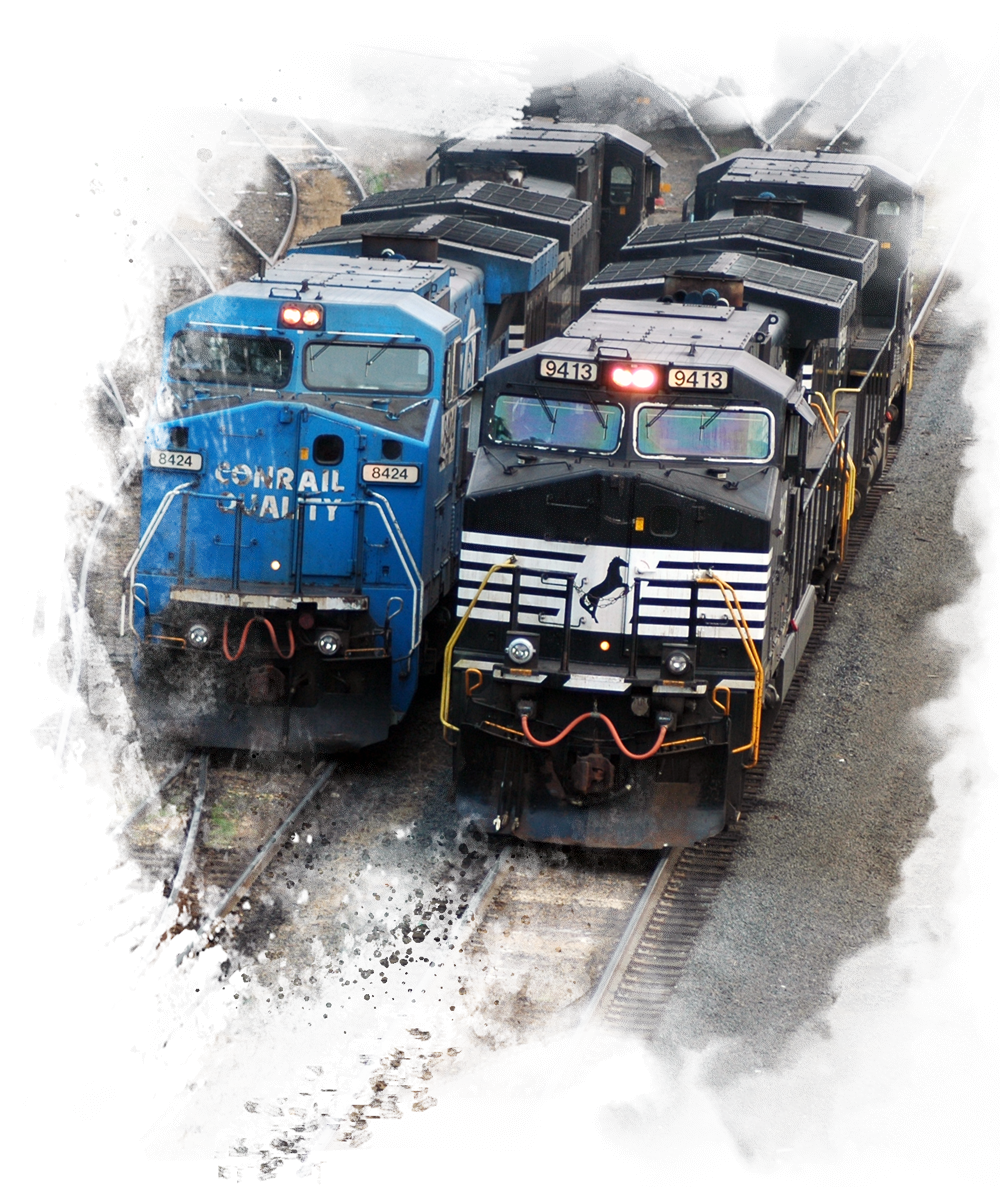
This is my personal home base.
Some of what I explore becomes products through Leaping Cat Model Works. Some of it becomes a project, a photograph, an experiment, or a piece of writing. And some of it simply leads me somewhere I hadn't expected.
I use this site to share the process—exploring ideas, figuring out how things work, connecting the pieces, building things, and sharing what I discover along the way.
Projects & Builds
Things I'm building, testing, and carrying from an idea into something real—electronics, models, software, products, and whatever else ends up on the bench.
Ideas & Questions
Things I'm thinking about, questioning, and trying to understand—technology, creativity, work, attention, and the connections between them.
Photography & Field Notes
Photographs, places, details, and observations that make me stop, look closer, and sometimes send me down a completely different path.
From the Workbench
Recent notes from whatever I happen to be building, testing, figuring out, or thinking through—along with the things I learn when the real world gets involved.

Between Light and Dark
Between Light and Dark January 3, 2026 - Atlantic Beach, North Carolina. What caught my attention here was the light moving across the wet sand. The sunset itself is only a small part of the photograph. Most of the image is actually fairly dark and cool, but then you...

Where the Day Ends
Where the Day Ends October 6, 2017 - Cape Lookout, North Carolina. I have always liked photographs where the main subject isn’t necessarily the biggest thing in the frame. What caught my attention here was the small house sitting along the water with this enormous sky...
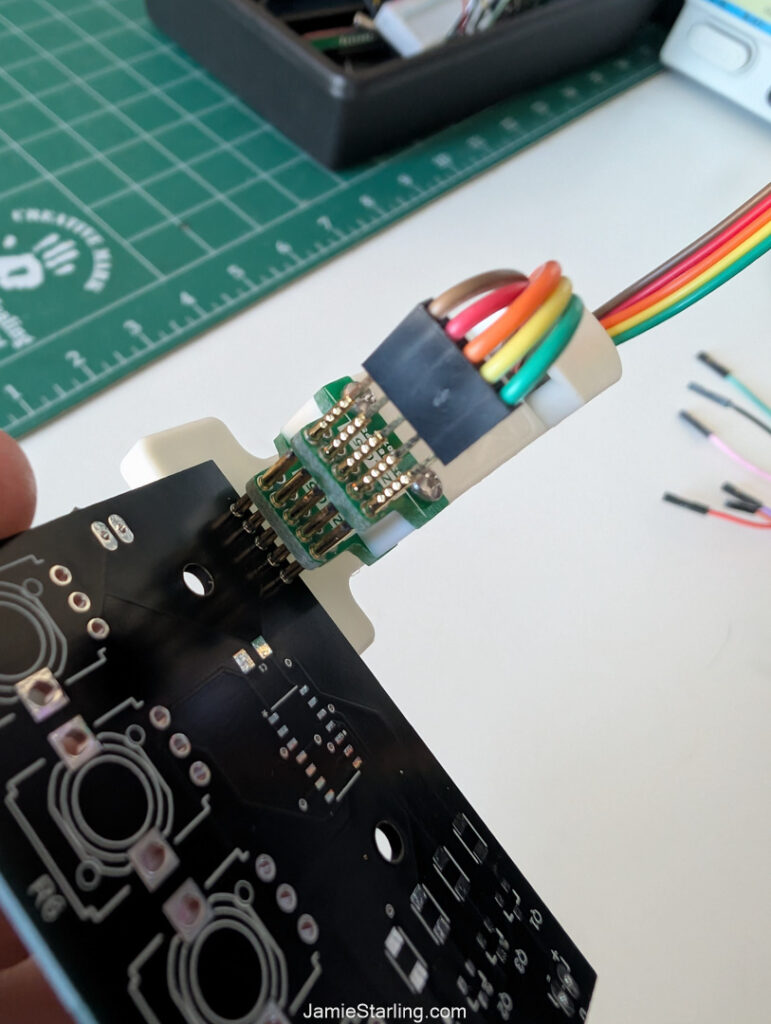
Streamlining MCU Development with POGO Pins
Streamlining Your MCU Designs with POGO Pins What Are POGO Pins? POGO pins, or spring-loaded pins, are small connectors designed for temporary connections. Each pin is made up of a plunger, barrel, and spring mechanism that presses the pin against a contact point....
Breaking Down C Headers and Include Files : A Simple Introduction
Breaking Down C Headers and Include Files: A Simple IntroductionWhat’s a Header File, Anyway?Using #include: The Key to Connecting Your CodeWhat Goes Into a Header File?How Header Files Keep Your Code ConnectedHeat Shrinking It UpHave a Project or Idea!? Breaking Down...
From Concept to Control: Designing a Versatile DCC System for Model Railroads
Yes, I like trains. I can't help myself. I've been fascinated by them for as long as I can remember. It’s a hobby that pulls together all sorts of things I enjoy—not just the technical side, but also my artistic side. There's something about building and running a...
Leaping Cat Model Works
I also run Leaping Cat Model Works, where some of the ideas I explore turn into real products for model railroaders—HO scale details, structures, electronics, lighting, and other things designed to make a layout feel more alive.
That is the shop. This is the notebook behind the work.

About Jamie

I’m a builder, integrator, and generally curious person living in coastal North Carolina. I tend to move between electronics, software, model building, photography, 3D printing, product design, and whatever else an idea happens to require.
What ties it together is that I like figuring out how the whole thing should work and then carrying it far enough that it becomes something real.
Read More About Jamie
Follow the Work

I share notes as projects take shape — what worked, what changed, what failed, and what I noticed along the way.